


How To Identify and Choose High-Quality Incense

The difference between a smooth, layered scent and one that feels sharp or uneven usually stems from how manufacturers produce the incense. While many options look similar at first glance, small variations in materials and construction can change how the fragrance develops and how long it lasts in a space. Without a clear way to evaluate those differences, choosing incense can feel inconsistent.
How to identify and choose high-quality incense becomes much easier once you recognize the details that shape both scent and burn performance. From how evenly a stick burns to how the fragrance unfolds, each factor contributes to the experience. With a more structured approach, you can move beyond guesswork and select incense that aligns with your preferences and environment.
What Sets High-Quality Incense Apart
High-quality incense releases fragrance in a controlled way, allowing the scent to develop gradually instead of overwhelming the space all at once. This steady progression creates a more balanced atmosphere, where the fragrance remains noticeable without becoming distracting.
A consistent burn supports that experience, since a well-constructed stick maintains an even pace from start to finish. When the burn rate stays stable and the scent holds its character, the result feels refined. It’s easy to recognize this consistency, especially when comparing different products side by side.

Materials Used in Premium Incense
The materials inside an incense stick directly influence how it smells and performs during use. Strong formulations rely on concentrated fragrance blends, which allow the scent to carry effectively without relying on unnecessary fillers.
Base materials and binders control how the stick burns, while the fragrance blend determines how the scent evolves in the air. When these elements work together, the incense maintains a steady presence instead of shifting abruptly or fading unevenly. Paying attention to ingredient balance gives you a clearer sense of what to expect before lighting the stick.
Natural vs. Synthetic Fragrance Sources
Manufacturers use both natural and synthetic components when creating incense, though the quality depends on how well those elements blend together. A balanced formulation allows different notes to transition smoothly, which creates a more cohesive scent profile.
Poorly combined ingredients tend to compete, which leads to uneven scent development or a harsh edge as the incense burns through each stage. Focusing on how the scent behaves in real use matters more than the label itself.
Burn Consistency and Performance Indicators
Burn performance reveals how carefully the incense has been constructed. A high-quality stick burns at a steady pace, allowing the fragrance to disperse evenly across the room without sudden spikes or drops in intensity.
You can identify issues quickly when the ember moves unevenly, or the ash breaks apart irregularly. These signs point to structural inconsistencies that affect both scent delivery and performance. Observing these details during use provides a reliable way to judge quality beyond initial impressions.
Scent Strength and Longevity
Scent strength should feel present without taking over the entire space, which requires a balance between concentration and distribution. High-quality incense maintains a steady level of fragrance instead of fading quickly after an initial release.
Longevity depends on how long the stick burns and how the scent lingers afterward. A well-developed fragrance continues to remain noticeable, creating a more complete experience that extends beyond the burn time.
Visual and Structural Clues to Look For
Examining the physical structure of an incense stick provides useful insight before you even light it. An incense stick with even coating along the surface usually reflects a controlled application process, which leads to more predictable results.
Uneven thickness or patchy coverage often creates burn inconsistencies, since those irregularities affect how the ember travels along the stick. Taking a closer look at these details can prevent issues before they occur.
Hand-Dipped vs. Machine-Made Differences
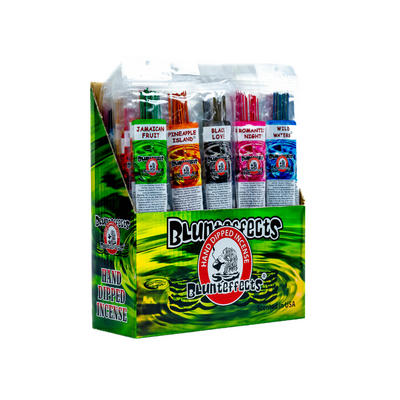
Hand-dipped incense involves a more deliberate coating process, allowing each stick to absorb fragrance more evenly. This method typically produces a deeper and more consistent scent profile.
Machine-made incense can still perform well, though faster production sometimes results in lighter or less uniform coating, which affects both scent intensity and burn behavior. Understanding this difference helps you decide which type aligns with your expectations.
Common Issues Found in Lower-Quality Incense
Lower-quality incense tends to release a scent that feels flat or overly artificial, without much variation as it burns. Instead of evolving gradually, the fragrance may remain one-dimensional or drop off quickly.
Burn problems can appear through uneven ash formation or inconsistent ember movement, both of which interrupt the flow of the scent. In some cases, the stick may burn too quickly, reducing both longevity and scent stability. Recognizing these patterns makes it easier to avoid products that fail to perform consistently.
How Packaging Reflects Product Quality
Packaging can signal how much attention a brand gives to its products from development through final presentation. Clear labeling and consistent design reflect a more controlled production process behind the scenes.
While packaging alone does not define quality, it can indicate whether the product has been handled with care at each stage. When packaging aligns with product performance, it reinforces confidence in the brand and experience.

Choosing the Right Incense for Your Preferences
Your preferences should guide the final decision, though understanding quality indicators makes the process more reliable. Instead of focusing only on scent names, evaluating how the incense performs provides a clearer way to narrow down options.
When selecting incense sticks, paying attention to burn consistency, scent balance, and material composition creates a more intentional approach. Testing different scent families within this framework can gradually refine your preferences while reducing the chances of choosing something that feels out of place.
Bringing It All Together for Better Scent Choices
Taking a structured approach to scent selection changes how you evaluate incense, especially once you begin to recognize the details that influence both fragrance and performance. From materials and burn consistency to scent development and longevity, each factor contributes to how the incense feels in your space.
How to identify and choose high-quality incense becomes more intuitive as you apply these insights across different products and environments. As your preferences become more defined, browsing the range from Blunteffects® allows you to find perfume incense sticks that match your expectations while maintaining consistent performance, making it easier to build a setup that fits your routine.


