



A Complete Guide to the Fragrance Wheel and How To Use It

Understanding scent can feel complicated at first, especially when descriptions vary widely and personal preferences shift depending on the setting. Many people recognize fragrances they like, but struggle to explain why certain scents feel right in one space and out of place in another. That gap comes down to not having a clear framework for comparing scent types.
A complete guide to the fragrance wheel and how to use it offers a structured way to interpret those differences, making it easier to move from guesswork to more intentional choices. Instead of relying on vague descriptions, the fragrance wheel organizes scent profiles into connected categories that reveal how different notes relate to one another. With that perspective, selecting scents becomes a more intuitive process that aligns with both mood and environment.
What the Fragrance Wheel Represents
The fragrance wheel organizes scent families into a circular format, which allows you to see how different categories connect. Instead of treating scents as separate ideas, the wheel shows how one profile can gradually transition into another, creating a more nuanced understanding of fragrance relationships.
At its core, the wheel groups scents into broader families such as floral, woody, fresh, and warm, then arranges them so similar profiles sit next to each other. This layout makes it easier to recognize why certain combinations feel natural while others may clash, especially when layering or switching between scents in different areas of your home.
Breaking Down the Main Fragrance Families
Each major fragrance family creates a distinct atmosphere, and recognizing these differences can shape how a space feels. Floral scents tend to feel soft and familiar, while woody profiles introduce a deeper, more grounded character that works well in relaxed environments.
Fresh scents, which include citrus and greenery notes, bring a lighter and more open quality that fits active or high-traffic areas. Meanwhile, warmer scent families, sometimes described as spicy or resinous, carry a heavier presence that can feel more immersive, especially in enclosed spaces where fragrance lingers longer.
How Subcategories Refine Scent Profiles
Within each main category, subcategories introduce subtle variations that change how you perceive a scent. For example, citrus notes feel bright and sharp, while aquatic variations lean toward a cleaner and more understated tone.
These refinements matter when selecting scents for specific uses, since even small differences can influence how noticeable or balanced a fragrance feels in a room. Recognizing these layers allows for more precise choices instead of relying on broad labels alone.

Matching Scents to Different Spaces in Your Home
Different areas of the home call for different scent intensities and profiles, and the fragrance wheel can guide those decisions more effectively than guesswork alone. Lighter, fresher categories tend to suit spaces where airflow is higher, such as kitchens or entryways, while deeper scent families feel more appropriate in rooms designed for relaxation.
The way scent settles in a room depends on the fragrance itself and how you use the space throughout the day. Choosing a profile that aligns with both function and atmosphere creates a more consistent experience from one room to the next.
Adjusting for Room Size and Airflow
Room size and ventilation influence how a scent develops, which makes placement and intensity important considerations. In smaller or enclosed areas, heavier scent families may feel more concentrated, while open spaces can dilute lighter fragrances.
Adjusting your selection based on these factors prevents imbalance, allowing the fragrance to complement the space.
How Personal Preference Fits Into the Fragrance Wheel
While the fragrance wheel provides structure, personal preference ultimately shapes how you use those categories. Scent connects to memory or routine, which means two people can interpret the same fragrance in completely different ways.
Exploring adjacent categories on the wheel can reveal new options that still align with familiar preferences, offering a way to expand without moving too far outside your comfort zone. Eventually, patterns begin to emerge, making future choices more consistent and intentional.
Pairing and Layering Scents Without Conflict
Layering scents can create a more dynamic environment, though it requires attention to how different profiles interact. The fragrance wheel simplifies this process by highlighting which categories naturally complement one another based on their proximity.
Use these tips:
- Combine scents from neighboring families for smoother transitions
- Avoid pairing profiles that sit opposite each other on the wheel
- Adjust intensity so one scent does not overpower the other
When done thoughtfully, layering can create depth resulting in a more cohesive scent experience across a space.
Using the Fragrance Wheel When Shopping for Home Scents
Applying the fragrance wheel during the shopping process shifts the focus from individual product names to broader scent characteristics. Instead of relying on trial and error, you can identify which family a product belongs to and determine whether it aligns with your existing preferences.
For example, when selecting a spray room freshener, you will know which one delivers fragrance quickly and noticeably. Choosing a scent that fits within a familiar category reduces the likelihood of selecting something that feels out of place once applied.

Common Mistakes When Interpreting Fragrance Categories
One common issue people make is assuming that all scents within a category will feel identical, even though subcategories can create very different impressions. Overgeneralizing in this way can lead to selections that do not match expectations once used in a real setting.
Another mistake comes from focusing solely on intensity, which can result in scents that feel overwhelming or disconnected from the space. Taking time to interpret where a scent sits on the wheel prevents these mismatches and leads to more balanced choices.
Turning the Fragrance Wheel Into a Practical Tool
A complete guide to the fragrance wheel and how to use it becomes most valuable when applied consistently. As you become more familiar with scent categories and how they relate, the process of selecting and adjusting fragrances becomes more efficient and intuitive.
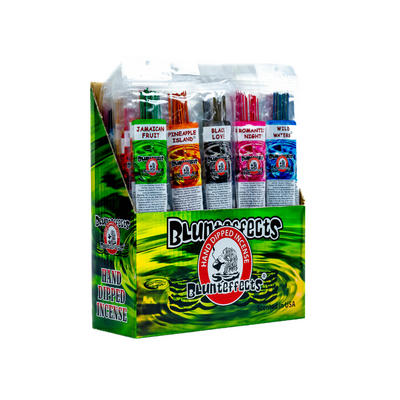
For those exploring new options, browsing the range of scents available through Blunteffects® provides a practical way to apply the fragrance wheel outlines. Whether refining your preferences or experimenting with new combinations, using this framework allows you to create a scent experience that feels both intentional and adaptable.


