


9 Things To Know About Traveling With Incense

If scent is part of how you unwind, reset, or set the vibe, bringing incense on a trip can make any space feel more personal. Still, there are important things to know about traveling with incense before you pack it and head out. Regulations differ depending on your travel method, your destination, and how you store incense inside your bag. A little preparation keeps your fragrance intact, and your travel plans run smoothly.
1. Unlit Incense Is Typically Allowed on Domestic Flights
Most domestic flights allow stick, cone, and coil incense in both carry-on and checked luggage as long as it remains completely unlit. Security screening focuses on safety and identification, so presentation matters more than many travelers expect.
Clearly boxed or labeled incense passes through screening with fewer complications than loose items. When agents can easily recognize the product, inspections tend to be brief and straightforward.
TSA Screening vs. Airline Policies
TSA controls the security checkpoint process, while individual airlines may set additional guidelines regarding flammable or aromatic items. Although incense is generally permitted, reviewing both sources before departure helps you avoid surprises. Policies can shift depending on current regulations, so checking within a day or two of travel is best.
2. Loose Resins and Natural Materials May Get Extra Attention
Resin incense, powders, and granular blends can prompt additional inspection because they appear less defined on scanning equipment. That doesn’t make them prohibited, but it does mean you should expect closer examination.
Sealed containers with clear labeling help security officers quickly identify what you’re carrying. Tossing loose resin into an unmarked bag increases the likelihood of delays, especially in busy airports. If your incense contains untreated wood chips, herbs, or other plant-based components, international screening may involve agricultural review, so be aware of the ingredients in case questions arise.
3. International Travel Requires Extra Research
Crossing borders introduce customs regulations that vary widely by country. Some destinations regulate plant-derived materials, and incense made from natural sources can fall into those categories.
Bringing a modest amount for personal use simplifies the process. Meaning bulk quantities may suggest commercial intent, which can lead to added scrutiny among officials. If a declaration form asks about plant products, read it carefully and answer honestly. Clear communication with customs officials prevents misunderstandings and reduces the chance of confiscation.

4. Carrying Incense Is Different From Burning It
Airlines and regulatory bodies treat transporting incense and lighting it as separate matters. Airlines may allow you to pack it, but your hotel or rental may not allow open flames.
Many properties restrict burning incense due to smoke detection systems and fire safety policies. So, before you book, review house rules and if they are unclear, reach out and verify.
Smoke Detectors and Ventilation Considerations
Modern smoke detectors respond quickly to airborne particles, and even a small amount of incense smoke can activate them in enclosed spaces. What feels subtle in a large room may linger in a smaller one with limited airflow.
Ventilation also affects how long a fragrance remains in the space. Restricted airflow allows scent to build up more than intended, impacting both your comfort and your compliance with property rules. If the property prohibits burning, you should try to find another way to enjoy your fragrance.
5. Cruise Ships and Public Transportation Have Strict Rules
Cruise ships enforce firm no-flame policies inside cabins, and public transit systems apply similar standards for shared safety. Even minimal smoke in confined environments can cause concern for other passengers.
Packing unopened incense is usually fine but lighting it during transit is rarely allowed. Planning your usage around approved locations keeps your trip smooth and avoids penalties.
6. Temperature Changes Can Affect Fragrance Quality
Road trips, layovers, and hot climates expose incense to fluctuating temperatures that can influence scent performance. Extended heat may soften resin-based products or shift how fragrance oils release once you burn them.
To help with the issue, store incense in a cool section of your luggage and avoid leaving it in direct sunlight inside a parked vehicle. These small adjustments can maintain the original scent profile you expect.
Why Heat Impacts Fragrance Strength
Fragrance oils react to temperature shifts, which can alter evaporation rates and scent intensity. High heat accelerates oil diffusion, while colder conditions can make natural materials brittle and easier to break. Protecting incense from extreme temperatures preserves both structure and fragrance quality, especially during longer trips.
7. Smart Packing Prevents Breakage and Scent Transfer
Incense sticks are lightweight yet fragile, so careless packing can result in snapped pieces when you unpack. An easy trick is sliding boxed incense between soft clothing, which adds cushioning without requiring extra space.
Just know that strong scents can cling to fabric inside tightly packed luggage, which may not be ideal if you don't want the fragrance all on your clothing. Using airtight pouches or keeping incense inside its original sealed packaging can assist with containing the aroma, and double wrapping adds another layer of protection if you’re carrying highly concentrated scents.

8. Large Quantities May Raise Questions
Traveling with a personal supply is generally uncomplicated, but bulk quantities can draw attention from security or customs officials. Larger amounts may appear commercial, particularly when crossing international borders, but even domestically this could cause a problem for you.
Bringing only what you plan to use simplifies screening and reduces unnecessary conversations. For international flights, smaller quantities are easier to declare, if necessary, and easier to manage throughout your trip.
9. Road Trips, Festivals, and Outdoor Travel Have Different Considerations
Travel doesn’t always mean airports and hotels. If you’re heading to a music festival, camping trip, or extended road adventure, storage and airflow become even more important.
Keeping incense in a sealed container inside your car protects it from heat and prevents scent buildup in enclosed spaces. When using incense outdoors, consider wind direction and surrounding materials to avoid safety concerns, and this really goes for any fire you light in an outdoor setting. This awareness of your environment keeps your experience enjoyable and respectful of others nearby.
Travel Prepared and Keep Your Signature Scent Close
Understanding the things to know about traveling with incense helps you move confidently through airports, hotels, and road trips without unnecessary setbacks. Quality matters when you’re on the go, and well-made perfume incense sticks tend to maintain their fragrance strength even during transit.
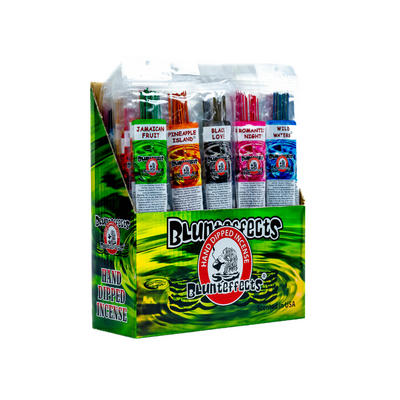
If you’re looking for bold, long-lasting scent crafted with 100% concentrated oil blends, explore the latest incense collections from Blunteffects®. Stock up before your next trip and bring your signature fragrance wherever you land. Shop Blunteffects® today and stay ready for all your travel adventures.


